A few years back, I was working in IT and hated it. Thankfully, I was asked to build a website as a small work project and loved how it was both technical and creative. I started learning everything I could and eventually landed a job as a web developer. I’m now a software engineer working on web and mobile apps.
If this sounds like what you’d want to do, I want to give you very practice advice on how to get where I am. In the next few posts, there are three things I plan to cover:
The craft Your resume & cover letter Interviews
While there are many industries you could work in and an infinity of languages to learn, I’ll just cover what to learn for web development; both websites and apps.
Languages To Learn
HTML & CSS
HTML is the foundation of everything on the web. Whether building websites or web apps is your thing, everything is based on HTML and you’d be surprised how much it can do.
CSS is the styling language for the internet. Combined with HTML, you can build great websites.
Specifically, I’d recommend the book HTML & CSS: Design and Build Websites by Jon Duckett. It can be a slightly dry read but gives you a solid understanding of these foundational web technologies.
JavaScript & Typescript
JavaScript opens up worlds of possibilities (and abuses) on the web. Most of the popular web frameworks, like React, are based on JavaScript. It’s better to start here and understand how it works.
From there, learn Typescript, which makes your Javascript apps better and keeps you from making preventable mistakes.
There are tons of tutorials and courses for learning JavaScript and Typescript. So many I don’t have any specific recommendations.
A while back I read Typescript In 50 Lessons by Stefan Baumgartner and found it easy to understand.
React
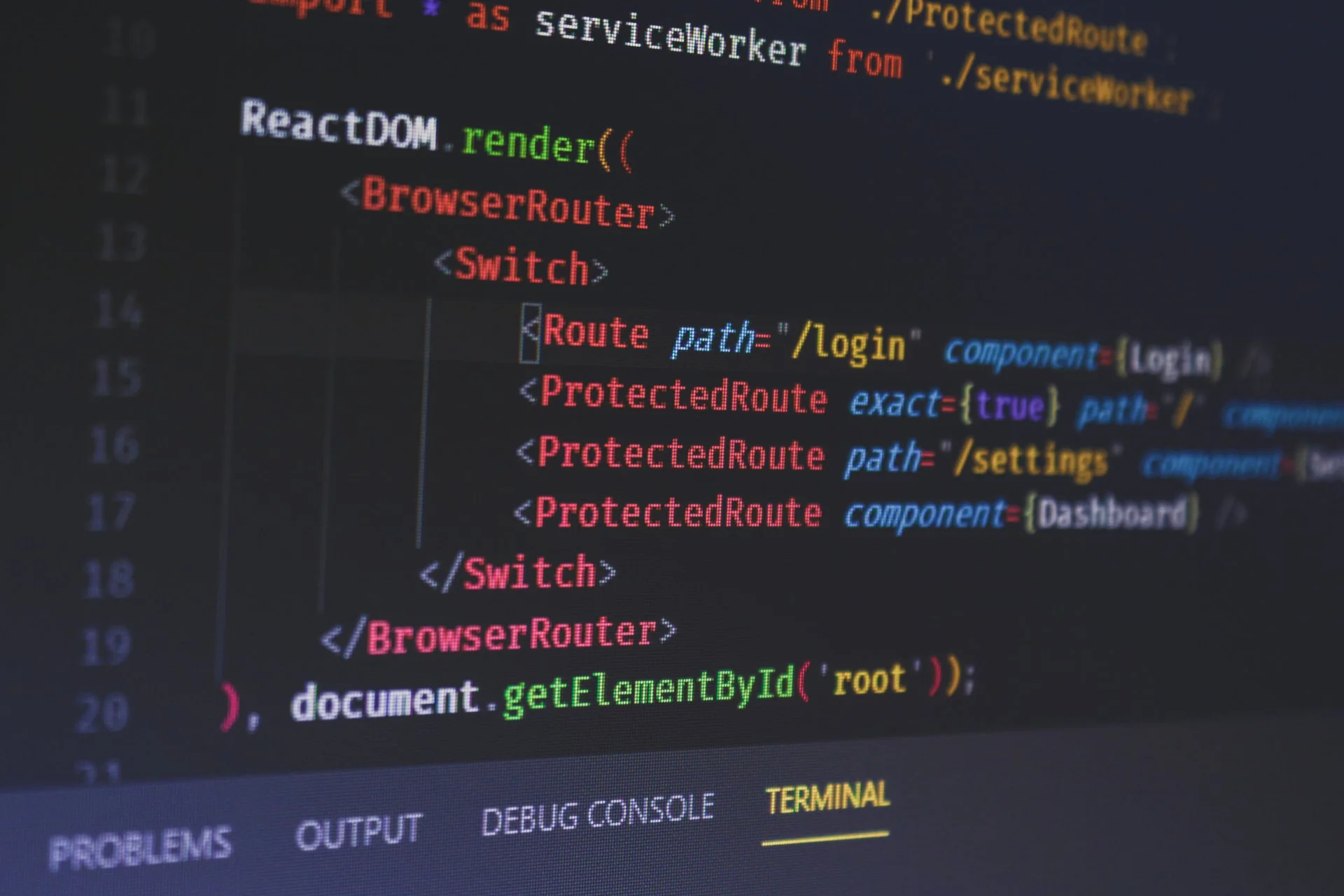
Now that you have the foundation of HTML, CSS, JavaScript, and Typescript, try React next. React came from Facebook, but is one of the most popular JavaScript-based frameworks for building web apps.
Again, there are loads of courses, books, etc. However, I think Wes Bos has pretty great courses. They are more expensive, but you get lifetime access and he’s a great teacher.
Other Things to Learn
Git and GitHub
Every reputable company uses some form of version control to manage its software. Git is easily the most popular and I have found it easy to use versus the other options. You don’t need to know everything there is to know about git and all its commands, but you should at least some basic things that allow you to create branches, stash changes, commit, and push to GitHub.
Oh My Zsh
An optional tool to learn is Oh My Zsh. Zsh is a command-line scripting language, like bash, and Oh My Zsh has a bunch of git shortcuts that make working with git even easier.
Accessibility
This is one of the most overlooked aspects of developing for the web and that’s a shame. Accessibility isn’t about making things work for someone with a disability, it’s about making the web work better for everyone. When something works well for someone with a disability or impairment, it works well for everyone else too.
At the bare minimum, learn the US Federal Section 508 standards and how to implement them for web sites. When I did this the first time, I discovered these standards are just the best way to build any website.
Testing
Making your software reliable and trustworthy goes a long way towards becoming a better developer. One of the ways of doing that is testing, testing, testing.
When I started at my current company, I knew nothing about testing, so I was thrown into the deep end. I spent my learning time every week writing tests for React components that didn’t have any. During that process, I found some bugs and was able to fix them. It also made our software that much more reliable and we were about to catch future mistakes because the tests showed a problem.
I’ll talk a lot more about testing in future posts, but this is a great way to level up your career. If you want to get a head-start on my future posts, check out:
Having a giant list of things to learn is nice, but it can be overwhelming. Especially if you’re not sure how to go about learning it all.
Three-Step Learning Process
Step One - find a course
I am a learn-by-doing kind of person. Many courses and tutorials have you follow along while building something, which I think is very effective.
Step Two - immerse yourself in the community
Find newsletters, Twitter accounts, blogs, YouTube channels, books, podcasts, or whatever else works for you and subscribe. While you may not understand everything at first, over time, concepts become more familiar and you are better able to keep up with changes in the languages and community.
CSS Tricks blog React Status newsletter Front End Focus newsletter Robin Wieruch blog Rendezvous with Cassidoo newsletter/blog React Newsletter by ui.dev
Step Three - build stuff
If you took a course or two, you probably built some projects while learning. Don’t stop there; practice makes progress. Build all kinds of projects and make sure you have them on your GitHub profile. Maybe find a non-profit and build something they need. Having these projects available publicly is great for future employers to see how you write code.
I would also build several different types of things. Push your skills and try different approaches, methods, and technologies. Doing this forces you to learn and practice increasingly difficult things. When you work on real-world projects, you will run into complicated things that are well beyond what you will learn in tutorials and courses.
Bonus: Step Four - hone your craft
This step is an on/going process that should happen every time you write code. It will probably take years, so don’t expect to check it off your list. Ever.
I can’t recommend the book Clean Code by Robert C Martin enough. I had heard some of these principles around but didn’t understand many of them. He clearly explains why and how to write better code and helps you become a better developer.
Conclusion
Now that I have overwhelmed you with suggestions and information, in my next post I’ll write about what do to with your resumes (notice that’s plural) and cover letters.